
Operation characteristics of lithium iron phosphate battery energy storage in cold weather environme
With the north wind, heavy snow and sudden cold weather, the operation characteristics of lithium iron phosphate battery energy storage in low temperature environment have attracted widespread attention.
Especially in the northwest of China, the temperature in some areas such as Inner Mongolia and Qinghai will drop below -20℃. With the arrival of the long cold winter, the extreme minimum temperature in some areas will reach about -40℃, which puts forward a severe test for the operation conditions of the lithium iron phosphate battery energy storage power station.
Due to its rich scenery resources and vast land, Northwest China is the main battlefield of new energy construction of new power system. Especially, the state promotes the construction of large scenery bases in desert, Gobi and desert areas, and Northwest China is also the main construction site. The supporting construction of lithium iron phosphate battery energy storage or shared energy storage power stations is one of the main ways to improve the regulatory capacity of power grid.
Lithium iron phosphate battery, as the most widely used type of electrochemical energy storage battery, accounts for more than 90% of the market. The optimal operating environment temperature of lithium iron phosphate battery is about 25℃, and poor performance at low temperature is the main shortcoming of lithium iron phosphate battery energy storage power station. At low temperature, lithium iron phosphate battery mainly shows the increase of electrolyte viscosity, electrolyte crystallization, ion conductivity decline, difficulty of lithium impaction in the negative electrode, lithium analysis on the surface of the negative electrode, slow migration rate of lithium ions between the positive and negative electrodes, and increase of internal resistance.
Taking a brand of lithium iron phosphate battery as an example, its permissible operating environment temperature is about -30~55℃. It should be noted that this temperature range mainly refers to its safe operating temperature, not the optimal operating temperature of the battery. Under the charge and discharge power of 0.25P, the discharge energy can be about 80% at 0℃ and 65% at -10℃. At -20℃, the discharge energy is only about 50%. With the decrease of operating temperature, the discharge energy drops sharply.
More importantly, if the lithium iron phosphate battery is stored for a long time or operated in an extremely low temperature environment, it may cause irreversible permanent damage, resulting in huge security risks and economic losses.
It can be seen that lithium iron phosphate battery operating at a temperature below 0℃, both electric vehicles and energy storage power stations, battery performance is seriously affected, measures should be taken to improve the battery operating environment temperature.
In view of the low temperature problem of lithium iron phosphate battery, it is very important to maintain the operating environment temperature of the energy storage system by adopting thermal insulation materials, configuring air conditioning or liquid cooling units, reasonably designing air ducts or liquid cooling pipelines and other measures. Generally, the operating environment temperature is maintained at about 15-25℃.
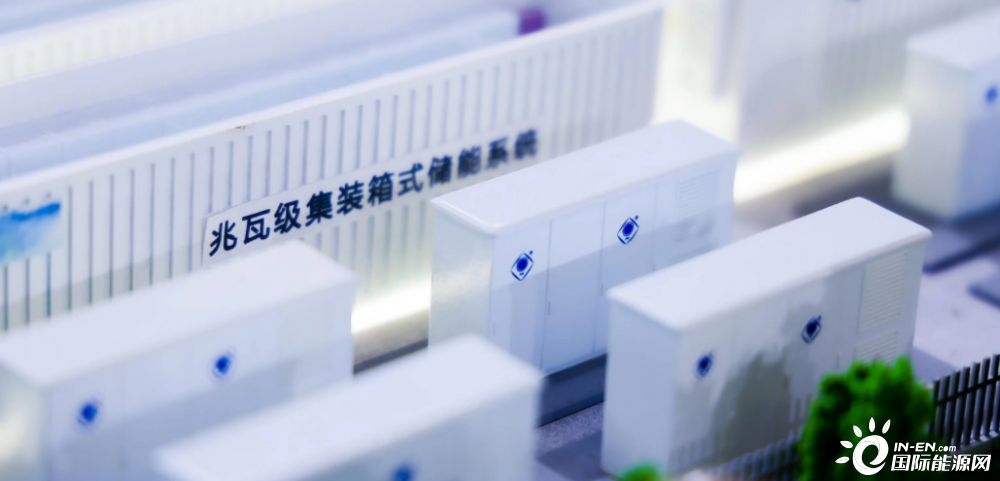
At present, lithium iron phosphate battery energy storage equipment mainly adopts prefabricated cabin integrated outdoor layout. Taking conventional air cooling and heat management as an example, industrial air conditioning is configured to maintain the ambient temperature of the battery cabin. Meanwhile, the air duct design of the battery cabin is carried out according to thermal simulation experiment, so as to ensure the temperature of the battery cluster and temperature balance, and ensure the consistency of the battery. In addition, when the ambient temperature is too low, the air conditioning is often faced with problems such as start-up difficulties. Generally, electric heaters can be configured to assist in raising the cabin temperature.
With the gradual popularization of liquid cooling and heat management, when the ambient temperature is too low, glycol solution heated by liquid cooling plate battery is also the main way to maintain the operating temperature of the energy storage system. At present, the minimum allowable ambient temperature of liquid cooling equipment in mainstream manufacturers is about -25~-30℃. The adaptability and economy of liquid cooling system under lower ambient temperature also need to be further studied.
The industry also alleviates the inherent properties of poor low-temperature performance of batteries by studying positive and negative electrode and electrolyte materials. For example, the low-temperature performance of batteries can be improved by developing low-temperature electrolytes, doping a few elements in positive electrode materials, and surface treatment or coating of negative electrode materials.
At present, energy storage with lithium iron phosphate battery is widely used to meet the requirements of new energy grid-connection in scenic resource-rich regions such as Inner Mongolia, Qinghai and northern Hebei, and many projects have been grid-connected and put into operation. Improving the inherent performance of lithium iron phosphate battery and studying temperature management technology are of great importance to ensure the safe and efficient operation of energy storage system in severe cold regions in northwest China.
Disclaimer:
1. Some articles and pictures are from Industrial Policy Research Center, Energy Storage Application Branch, China Chemical and Physical Power Supply Industry Association.
2. Due to editing needs, there is no necessary connection between the text and the picture. It is only for readers' reference and does not represent the views of the platform, nor does it constitute investment advice or decision-making advice, nor does it provide material for any user transaction.
3. We reprint all articles, pictures, audio and video files and other materials copyright copyright belongs to the original owner, because the contents of the non-original articles and pictures can not be contacted with the copyright owner, if the original author or editor thinks that the work is not suitable for browsing online, or should not be used free of charge, or involved in copyright issues, please inform us in time, in order to quickly take appropriate measures, Avoid causing unnecessary economic losses or copyright disputes to both parties;
4. If this website infringes the intellectual property rights of media or individuals unintentionally, please contact us within 30 days after the publication of the article. We will delete the content as soon as possible, thank you.

;)