
Accumulations electric | winter approaching, Europe being a storage building boom!
Winter is coming, and Europe is heading for a cliff. Foreign Policy recently described the "energy dilemma" facing Europe, stressing that it is "the most serious since World War II". To make matters worse, the Nord Stream gas pipeline was bombed, reducing the sources of energy that could safely reach EU countries and further deepening the local energy crisis. Under the crisis, the "energy storage" industry has become the focus of Europe. "Energy storage will play a key role in solving Europe's energy crisis," European Union Vice President Marosh Shevchovich said Oct. 12. According to the Global Times, some Chinese energy storage companies have played a role in stabilizing energy in Europe, solving the power problems of some power grids and households. This month, China Xin Securities, Hua 'an Securities and other securities companies in a research report mentioned that the European energy storage demand blowout is conducive to energy storage enterprises of our country. On Oct 12, Chinese power battery head company Guoxuan Gaocco said it would explore the overseas energy storage market.
The rise of the European architectural wave
"There is a wave of energy storage projects in Europe!" German PV magazine reported. One of the largest battery energy storage systems in Europe is being built and operated by German company Smart Power in Thuringia, Germany. At the same time, European countries are seeing similar projects: Siemens Energy and Fluence are installing storage systems in Lithuania, Iberdrola is building a solar energy storage system in Real, Spain, and Belgium is investing up to 30 million euros in energy storage.
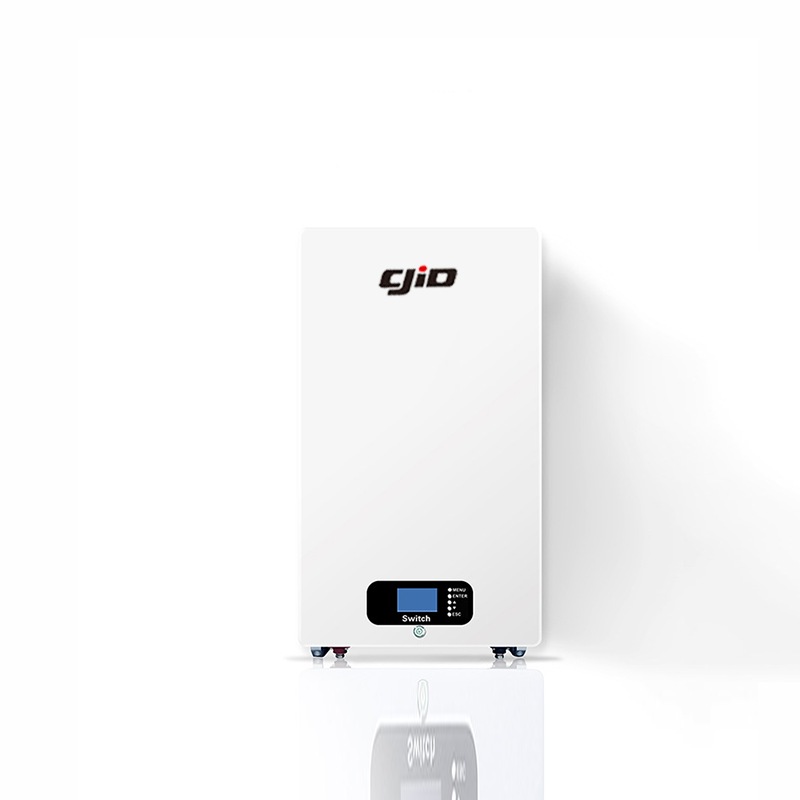
Against the backdrop of energy shortages, Europe is experiencing a big explosion in the demand for storage. An analysis by the European Energy Storage Association found that Europe will need to deploy about 190GW of energy storage systems by 2030. This means that over the next eight years, there will be a huge leap from the 60GW storage systems currently deployed in Europe. In addition to the EU, the US, Japan and South Korea are also actively deploying energy storage facilities. According to the US Clean Energy Council, 5GWh of battery storage was deployed in the US in the first half of this year, a year-on-year growth rate of more than 30%.
Tokyo Electric Power Company (TEPCO), one of Japan's national utility service providers and grid operators, is rolling out home solar power and battery storage systems for its customers. It is reported that the Japanese government will also provide a third of the total cost of the equipment subsidies... It can be seen that all countries in the world have different degrees of energy crisis.
"A lot of the equipment is made in China"
According to industry experts, energy storage family members are numerous, divided into portable energy storage, RV energy storage, home energy storage, industrial energy storage, power generation energy storage and so on. Based on the corresponding usage scenario. Among them, portable energy storage, RV energy storage and home energy storage are classified as consumer energy storage.
It is reported that some European countries have made efforts through the policy, energy storage economy has been opened. According to the research report by Orient Securities, with the rising demand for energy security and power stability, the implementation of policy subsidies, the increase of residential electricity prices and the reduction of energy storage system costs, users will be increasingly inclined to install energy storage systems. Germany is currently the main driver of home energy storage in Europe.
Mr. Wolf, who lives in Freiburg, installed an energy storage system. He told the Global Times that the system is made in China and costs around 5,000 euros. The home's 25 solar panels are also from China. "With the energy crisis, electricity prices are going up," he said. Electricity prices in some areas have exceeded 40 euro cents per KWH, three times the level in 2021. Energy storage systems are very effective if you want to save electricity or keep your electricity consumption steady."
A German television station reported that some households were preparing for potential power cuts. Most households still choose affordable mobile storage devices over mass storage systems. "The interest has been huge," a manager at Germany's Mediamarkt electronics chain told the Global Times. Residents fear a sudden power outage at some point. He added that the devices range in price from a few hundred to several thousand euros, "many of which are made in China."
Gao Peng, deputy general manager of the energy storage division of Guoxuan Gaocco, told the Global Times: "There are also Chinese products in energy storage facilities on the power generation side and the grid side, but the identities are different. It could be a supplier of energy storage kits, it could be a supplier of components such as batteries."
Disclaimer:
1. Some articles and pictures come from the Internet;
2. Due to editing needs, there is no necessary connection between the text and the picture. It is only for readers' reference and does not represent the views of the platform, nor does it constitute investment advice or decision-making advice, nor does it provide material for any user transaction.
3. We have reproduced all the articles, pictures, audio video file information such as copyright belongs to the copyright shall belong to the original people, because of the original articles and pictures, etc can't contact and copyright, such as the author or editor that work should not be access to the Internet for everyone to browse, or should not be used free of charge, or involve copyright issues, please inform us in time, to take appropriate measures to quickly Avoid causing unnecessary economic losses or copyright disputes to both parties;
4. If this website infringes the intellectual property rights of media or individuals unintentionally, please contact us within 30 days after the publication of the article. We will delete the content as soon as possible, thank you.

;)