
Power battery recycling is hot and embarrassing
If 2014 is called "the first year of China's new energy vehicles", then according to the power battery service life of 6-8 years, the first batch of power battery "retirement tide" is coming.
"The recovery rate of lithium has reached more than 90 percent." The words of Zeng Yuqun, chairman of Ningde Times, at the 2022 World Power Battery Conference immediately triggered a sharp drop in the share price of the lithium mining sector; Tianqi Lithium then suspected to "respond" to the air, saying "the laboratory should be able to do it, but it has not been seen commercially". This Ningde times and said, welcome to Guangdong Bang Pu to see advanced mass production technology.
It is understood that Guangdong Bang Pu is a subsidiary of Ningde Times holding, focusing on the recycling of waste batteries; Previously, Guangdong Bang Pu has publicly stated that through the "directed cycle" technology, the comprehensive recovery rate of the core metal materials in waste batteries can reach more than 99.3%.
Environmental protection has always been the general trend, for the energy storage plate, storage and integration has been trying its best.
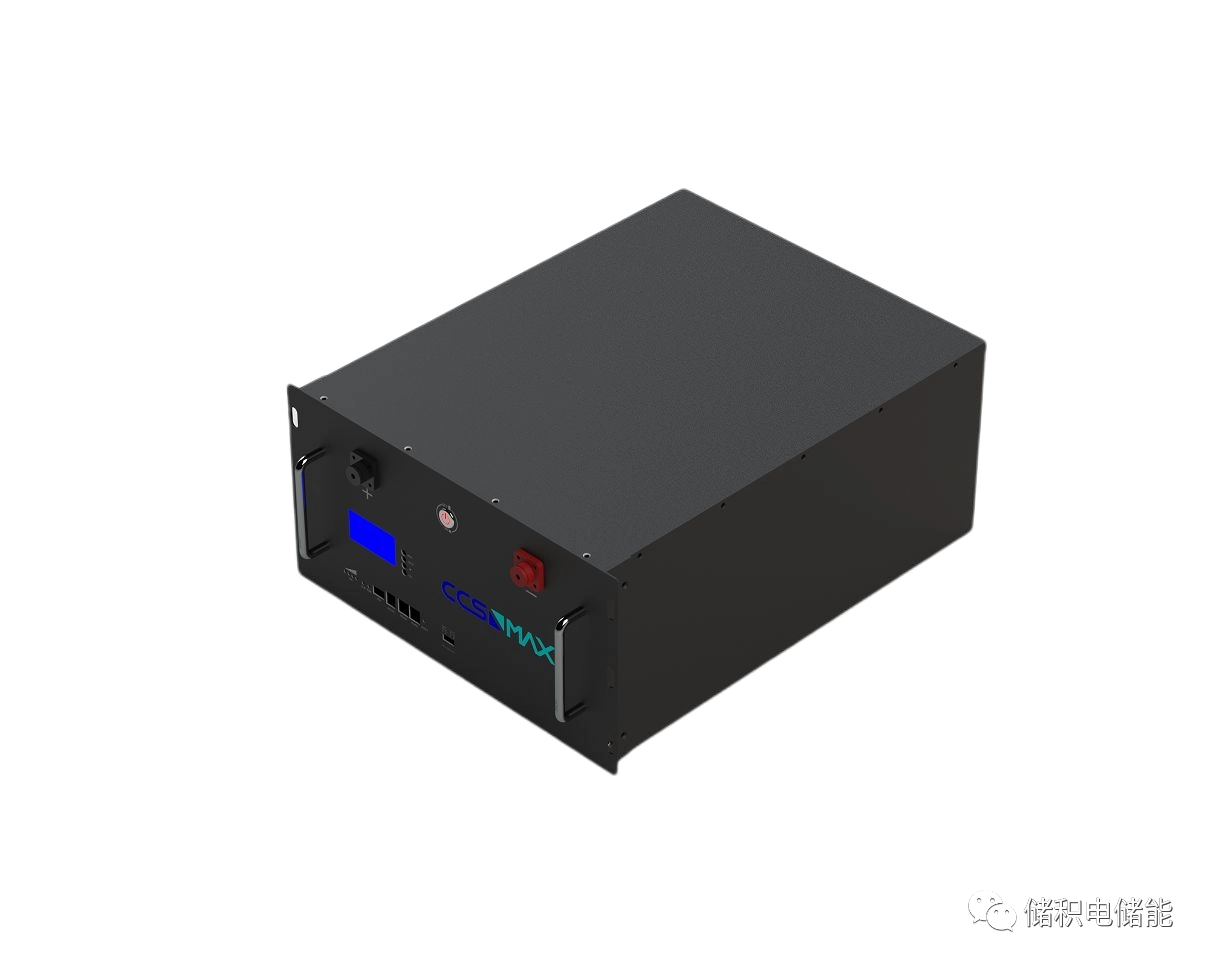
Communication base station battery: more efficient, high volume to energy ratio, reduce space occupation; High mass to energy ratio, saving load-bearing requirements; High energy conversion efficiency, energy saving;
From 2021 to 2030, the scale of retired power lithium batteries will increase more than 10 times from 33.95GWh to 380.3GWh.
The number of retired power batteries is in explosive growth eve.
The rivalry between Ningde Lithium and Tianqi Lithium has added fuel to the explosion of the power battery recycling market.
Power battery recycling: industry chain giants compete to enter the bureau
Upstream raw material prices soaring, power battery recycling track heat is continuing to rise.
It is understood that the current cobalt, nickel, lithium carbonate battery raw materials prices are running at a high level. As of early July 2022, the price of lithium, nickel and cobalt was 2.97 million yuan/ton, 180,000 yuan/ton and 360,000 yuan/ton respectively.
The recycling track of nickel, cobalt, lithium and other metal resources extracted from waste batteries is attracting more and more attention.
"The value of used power batteries has gone up dramatically, and so has the price of recycling, which has changed from a reluctance to recycle to a demand now being sought after by everyone." Said You Yong, deputy director general of the energy conservation and comprehensive utilization Department of the Ministry of Industry and Information Technology.
Zeng Yuqun, chairman of Ningde Times, said the price rise of upstream raw materials will cause short-term disruption to the industrial chain, but in fact, lithium resources are not the bottleneck of industry development. The current proven lithium resource reserves can produce 160TWh lithium batteries, fully meeting the global demand for power and energy storage batteries. At the same time, most of the battery's materials can be reused. Recycling materials from retired batteries could meet a significant portion of the market demand by 2035.
Wang Zhenpo, a professor at the Beijing Institute of Technology, predicted that from 2022 to 2026, the total decommissioning capacity of the top 10 power battery companies will reach 90GWh, of which Ningde Time alone will reach 44GWh.
The huge market space also attracts more and more capital into the board. Data show that in 2021 alone, the number of registered enterprises related to power battery recycling increased rapidly to 24,000.
As the top of the upper, middle and lower industrial chain, the industry giants naturally will not let go of this hundred-billion-level "cake".
As early as 2015, Ningde Times acquired the leading domestic waste battery recycling enterprise Bang Pu Cycle, through the recycling of waste battery metal elements to produce ternary positive electrode precursor. Its wholly owned subsidiary Ningde Jiaocheng also operates battery recycling systems.
This year, Ningde Times, NIO, Guotai Junan and other enterprises jointly invested in a battery asset company, mainly engaged in the whole life cycle management of batteries.
As the giant of the upstream lithium industry, Ganfeng Lithium has always been committed to the comprehensive recycling and utilization of lithium resources. At the beginning of 2016, Jiangxi Ganfeng Recycling Technology Co., LTD., a wholly-owned subsidiary, was set up to invest 12 million yuan with its own funds in the first phase of the construction of lithium metal waste recycling project. This year, Ganfeng Lithium entered into a cooperation with Honeycomb Energy at the end of June, and the two will cooperate in lithium resource layout, battery recycling and other aspects. Nowadays, the circulation industry layout of Ganfeng Lithium has been very perfect.
Another LiYe giant sky LiYe in August and Beijing who also blue new energy technology co., LTD. Is a joint venture set up day JiWei blue solid lithium new materials (shenzhen) co., LTD., the business scope for electronic materials sales, electronic materials research and development, resource recycling technology development, new energy vehicles old power battery recycling and arrangement in use, etc.
In May this year, BMW Group announced a cooperation with Zhejiang Huayou Cycle Technology Co., LTD., which will realize closed-loop recycling of power battery raw materials and use the decomposed raw materials for the production of new power batteries.
In July this year, the power battery recycling enterprise Green Mei has reached cooperation with Sanhe Intelligent and Ruipu Lanjun to arrange the power battery recycling.
In addition, BYD has set up more than 40 power battery recycling outlets around the world.
The "trap" of Equipment Cost: The whitelist enterprise fails to compete with the "Unqualified Enterprise"
Despite the hot track, there are still many problems facing the industry.
It is understood that in September 2018, the Ministry of Industry and Information Technology released the list of the first batch of enterprises in line with the "Industrial Standard Conditions for the Comprehensive utilization of used power battery for New Energy Vehicles", and the "white list enterprises" have been born since then.
A total of 47 companies have been whitelisted. But as of September 27, China has added more than 29,000 new power battery recycling enterprises this year, the number of new enterprises has exceeded the whole of last year.
"Although the Ministry of Industry and Information Technology has identified white list enterprises and set up tens of thousands of formal recycling outlets, there are still up to ten thousand informal power battery recycling enterprises in the market without recycling qualifications, and most of them are small and medium-sized enterprises.
"It is estimated that the proportion of retired power batteries flowing into the whitelist enterprises is less than 25 percent." China (Shenzhen) Comprehensive Development Research Institute of new energy and low carbon development research Center deputy director Wei Fulei said.
The reason for this is the high cost of recycling equipment.
Generally speaking, formal enterprises need to make some initial investment for power battery recycling. The equipment investment not only includes intelligent battery pack dismantling system and automatic battery cutting device, but also includes absorption tower, cloth bag filter, tail gas incineration system and wastewater treatment facilities that meet environmental protection requirements. According to the International Energy Network/Energy Storage Network, equipment investment accounts for up to 60% of the initial investment of formal battery recycling enterprises.
Compared with the normal battery recycling enterprise, these procedures incomplete and shortage of funds of small and medium-sized enterprises in terms of environmental protection and infrastructure will not be big cost of investment, even in the process of recycling, save battery testing directly, discharge and dealing with important links such as environmental protection, to save operating costs, in the process of power batteries have more bargaining space, Creating an unfair competition in which bad money drives out good money.
"Because these companies do not invest in equipment that meets environmental requirements, the money saved can be given to car owners, so the offer is higher. For car owners, the battery must be disposed of after the end of life, and whoever offers the highest price will give it to." Wang Yao, assistant secretary general of the China Association of Automobile Manufacturers and director of the technology Department, said, "However, because of the lack of equipment, the processing process of small workshops is irregular and the technical level is low, which is more likely to cause safety accidents and pollution problems. At the same time, it is not conducive to the industry's traceability management of batteries. For the recycling industry, the existence of 'unqualified enterprises' seriously disturbs the market order, formal enterprises can not get batteries, it is difficult to form a production scale, the rapid development of the recycling industry is out of the question."
Billions of dollars of prospects, profitability, technology, and mechanics are still to be solved
Faced with the huge battery recycling market, a small number of battery recycling institutions are still a drop in the bucket. By the end of 2021, the number of new energy vehicles in China reached 7.84 million, of which the number of pure electric vehicles accounted for 6.4 million. Everbright Securities has predicted that in 2023 the number of new energy vehicles may reach 80 million to 100 million, which also means that retired power batteries will be a market of 100 billion in the future.
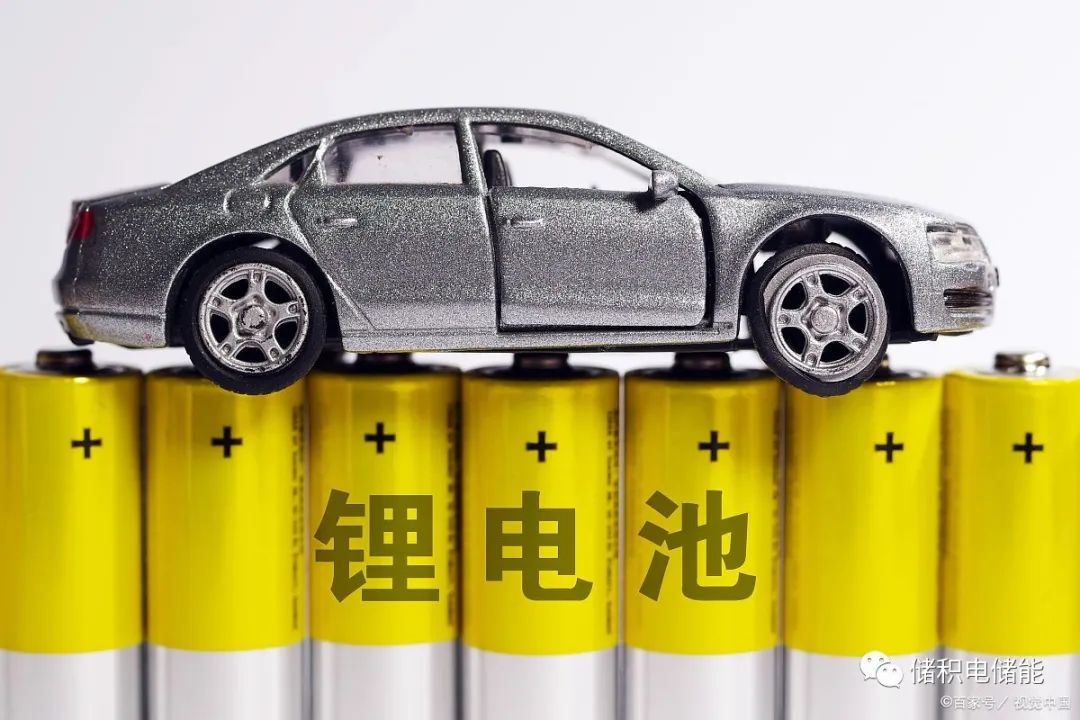
But in fact, from the current development status of the power battery recycling market, on the one hand, we need to prevent "unqualified enterprises" from disrupting the market order, on the other hand, we also need to solve the problem of profitability.
Zhang Tianren, chairman of Tianneng Group, said that currently, an ordinary recycling company can extract 8,110 yuan worth of materials from a ton of waste lithium iron phosphate batteries, but the recycling cost is as high as 8,540 yuan. Such companies often need government subsidies, and the final profit is not even as high as "selling scrap iron".
In addition, there are bottlenecks in automatic dismantling, crushing and sorting, intelligent separation technology and so on.
Although Ningde times said that "the recovery rate of lithium has reached 90%", but in the efficient extraction of valuable metals, waste power battery disassembly treatment pollution prevention level and other key technologies and equipment need to be upgraded.
At the same time, Ningde times also said that the current power battery is a non-standardized product, the cost of recycling and dismantling is high, it is difficult to realize the whole process mechanization.
For the power battery recycling industry, how to reduce energy consumption, reduce waste water, acid, alkali and salt pollution to the environment and improve recycling efficiency while ensuring certain economic benefits of recycling is the key factor to ensure the future self-recycling and sustainable development of the lithium battery industry.
"With the rapid development of the power battery recycling industry, it is necessary to guard against the return without collection, collection without use, collection and abuse, and strengthen the whole life cycle management of power batteries." Chinese Academy of Engineering academician Sun Fengchun said.
Disclaimer:
1. Some articles and pictures are from International Energy Network/Energy Storage headlines

;)