
More than 420,000 battery energy storage systems were installed in Europe in 2022
Europe more than doubled the installed capacity of home battery storage systems to 2.31 GWh in 2021, with Germany taking the largest market share.
By 2022, it is expected to reach 3.9 GWh, an annual growth rate of 71%, and the cumulative installed capacity of household battery storage systems across Europe will reach 9.3GWh
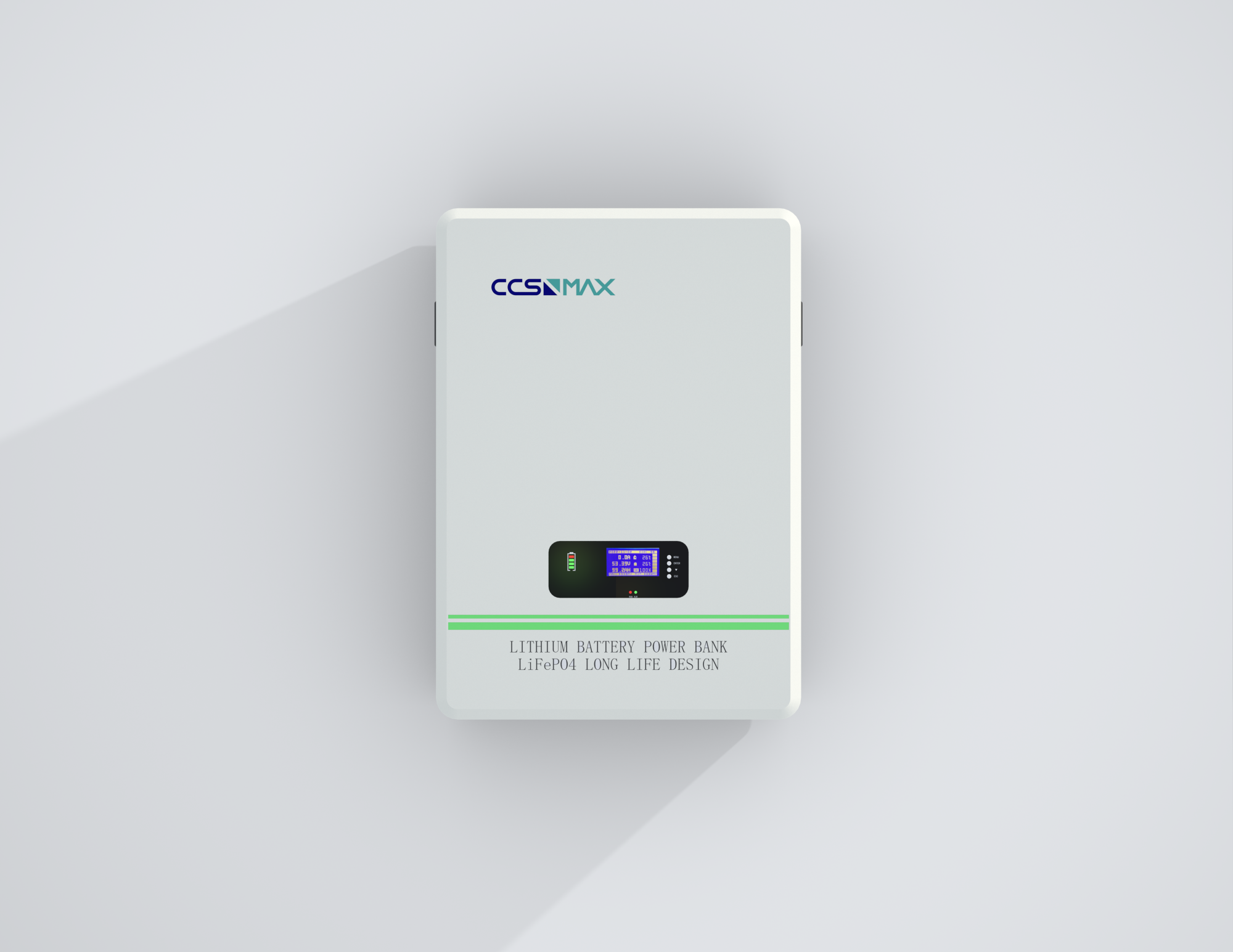
If the lack of installers and the severe shortage of batteries can be addressed, coupled with a supportive policy environment at the EU and national levels, the growth of battery storage systems for home use could be even faster
Soaring energy prices in Europe have not only led to a boom in the distributed rooftop photovoltaic market, but have also driven a massive increase in home battery storage systems. According to SolarPower Europe (SPE) in its latest report, "European Market Outlook For Residential Battery Storage 2022-2026", In 2021, the European home battery energy storage market more than doubled to 2.3GWh, with Germany having the largest market share, accounting for 59%, with 1.3GWh of new energy storage capacity, an annual growth rate of 81%, and Italy adding 321MWh in 2021, an annual growth rate of 240%.
Michael Schmela, SPE's executive consultant and project leader for the report, attributed this to a "well-thought-out incentive program" that helped jump-start the battery storage market. "To accelerate the deployment of solar and storage, we call on EU policymakers to use available funds to support the emerging home optical storage market," he added. .
Looking ahead, SPE projects that more than 420,000 battery storage systems will be installed in Europe in 2022, enabling more than 1 million homes across the continent to be powered by optical storage systems. Schmela said the number of installations could have been higher if not for a lack of installers and a severe shortage of batteries.
By the end of 2022, the cumulative installed capacity of household battery storage systems in Europe is expected to grow to 9.3GWh. Under a typical scenario, the total installed capacity of home energy storage systems is expected to increase by more than 300% to 32.2 GWh by the end of 2026, with 3.9 million homes owning optical storage systems. In an ideal world, total installed capacity would rise further to 44 GWh, "but it could also fall by a third without the right policy framework".
The report identifies four major European markets for home battery storage: Germany, Italy, Austria and the United Kingdom. SPE predicts that Germany will remain number one for the next five years, followed by Italy. Poland and Sweden will move up to third and fourth place respectively by 2026.
Walburga Hemetsberger, CEO of SPE, said: "While the European Commission's proposed mandatory solar use for new and refurbished buildings will also help with battery use, But another key driver will be the integration of battery storage targets and national Clean Flexibility Plans into the forthcoming revision of member states' national Energy and climate plans (NECP)." . "Ultimately, we need to ensure that local flexible markets are established to enable the battery storage business model to support grid stability."
The report also makes several policy recommendations to increase the deployment of home battery storage systems in Europe and ensure the continent's energy security:
Expansion of the energy storage strategy in the form of clear national and EU-level 2030 targets, in line with the EU target of deploying 1100GW of solar and wind power on a scale.
At the EU level, the European Commission should launch the 2030 EU electric Energy Storage Strategy with a target of at least 200 GW.
New and renovated residential side buildings must be fitted with solar power systems.
Encourage user spontaneity to optimize flexibility and congestion management.
Accelerate the establishment of a regulatory framework for demand-side flexibility.
Develop an appropriate sustainability framework for batteries through the EU Battery Regulation.
Raffaele Rossi, Director of Market Intelligence at SPE, concluded, "Today's and tomorrow's energy systems require a coordinated policy effort on electric storage. In the midst of an energy crisis, we can't afford to waste electricity from renewable sources because we don't have the means to store it. This means urgently developing EU and national energy storage strategies and developing the right policy framework to support energy storage and self-sustaining business models."
Disclaimer:
1. Some articles and pictures are from Zhongguancun Energy Storage Industry Technology Alliance;
2. Due to editing needs, there is no necessary connection between the text and the picture. It is only for readers' reference and does not represent the views of the platform, nor does it constitute investment advice or decision-making advice, nor does it provide material for any user transaction.
3. We reprint all articles, pictures, audio and video files and other materials copyright copyright belongs to the original owner, because the contents of the non-original articles and pictures can not be contacted with the copyright owner, if the original author or editor thinks that the work is not suitable for browsing online, or should not be used free of charge, or involved in copyright issues, please inform us in time, in order to quickly take appropriate measures, Avoid causing unnecessary economic losses or copyright disputes to both parties;
4. If this website infringes the intellectual property rights of media or individuals unintentionally, please contact us within 30 days after the publication of the article. We will delete the content as soon as possible, thank you.

;)